Past the headline number
The model scores a quadratic weighted kappa of 0.88, which reads as strong agreement with expert
graders. That number hides the failures that matter. Broken down by severity, sensitivity falls
from 95% on healthy retinas to 48.6% on proliferative disease, the grade that needs emergency
referral. The audit follows the Medical Algorithmic Audit framework, working through error
analysis, subgroup testing, adversarial robustness, and a structured risk score.
Where it fails, by grade
Performance is strong on no-disease and mild cases and weak on the rare, urgent grades. The model
also undergrades more than it overgrades. About 56% of its errors call a case less severe than it
is, which in a screening programme means a delayed referral rather than a false alarm.
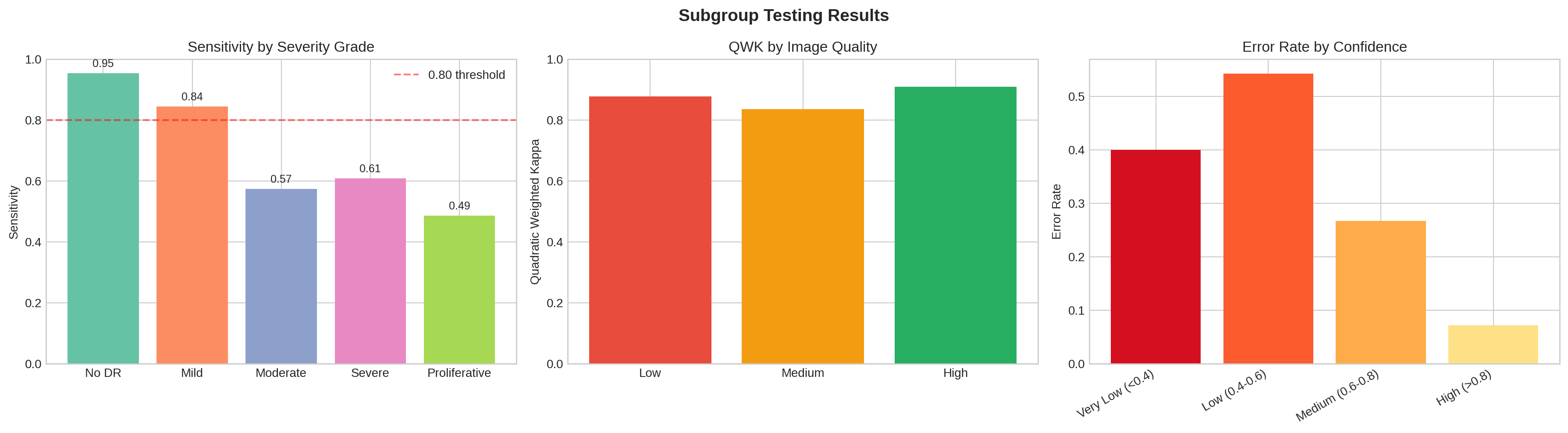
Figure 1. Sensitivity by severity grade. It drops from 95% on no-disease to 49% on
proliferative disease, the grade that most needs to be caught.
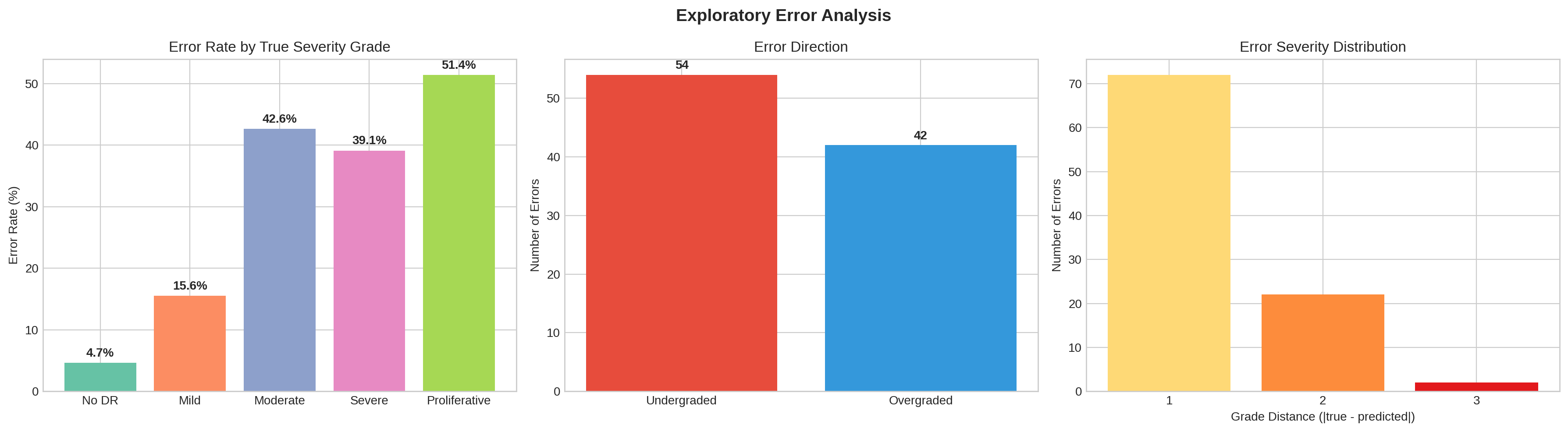
Figure 2. Errors by direction and distance. Most mistakes undergrade by one step, the
direction that delays care.
How it breaks under poor images
I simulated the image-quality problems a real clinic sees. Gaussian blur drops kappa from 0.87 to
0.69, and heavy JPEG compression drops it to 0.65. Both are realistic for camera defocus, patient
movement, or images compressed for telemedicine. Moderate compression is tolerated well.
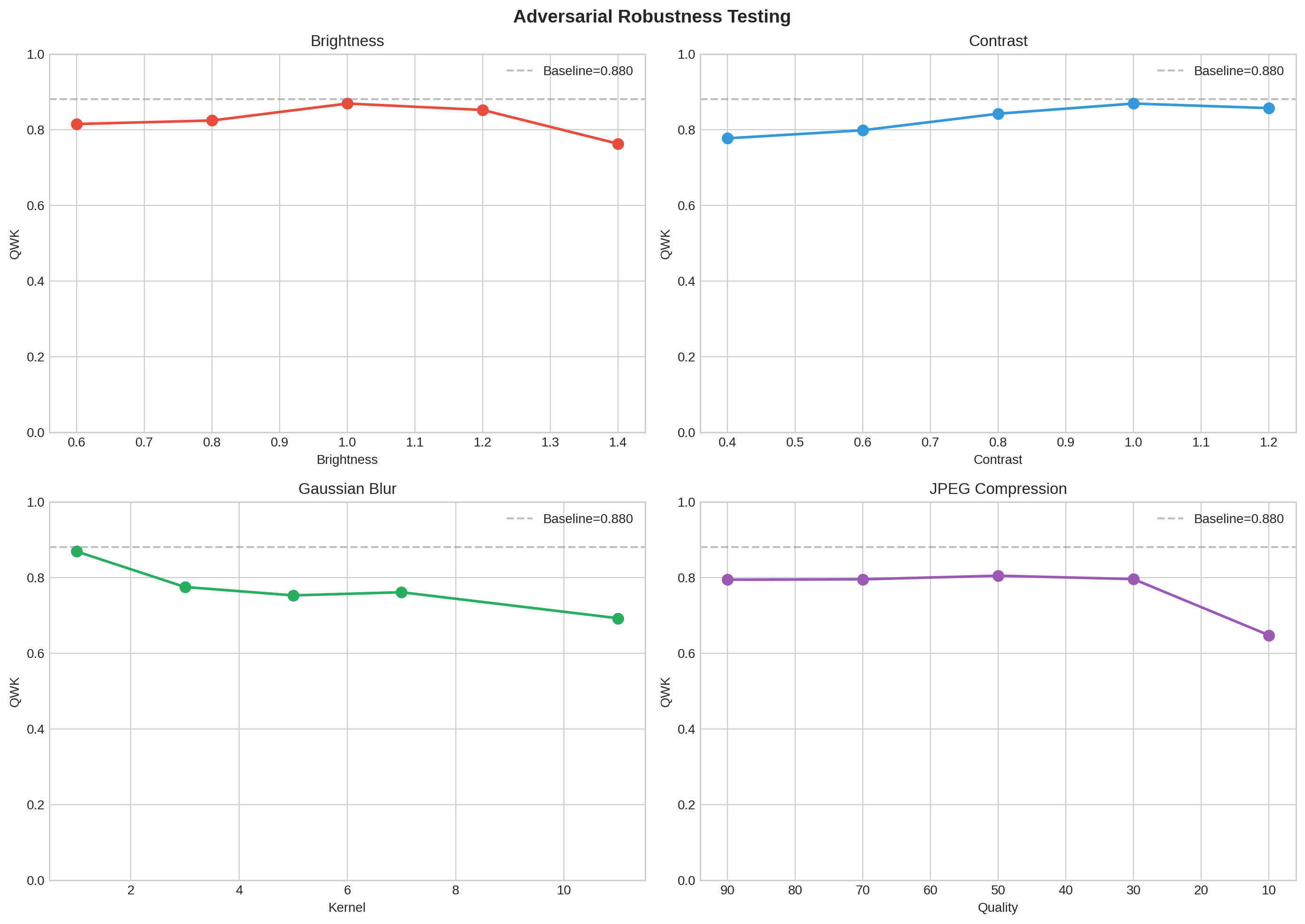
Figure 3. Kappa under four image perturbations. Blur and heavy compression cause the
largest drops.
Risk and recommendations
Scoring each failure mode by severity and frequency puts undergraded proliferative disease at the
top of the risk list. The audit recommends concrete guardrails: route every severe or
proliferative prediction to a human, send low-confidence cases (below 0.6) for review, add an
image-quality gate before inference, and validate externally on data that actually records age,
sex, and ethnicity, which this dataset does not. Auditing the model taught me more about it than
training it did. The full audit, the risk table, and the dataset documentation are in the
repository.