The argument
Deep learning can already fuse molecular, image, and text data for cancer. The harder question is
no longer accuracy. It is whether an integrated model can be validated, explained, and trusted
enough to act on. The review makes that case across five stages: structured molecular data as the
mature core, unstructured histology and text as the frontier, multimodal fusion as the meeting
point, explainability as the trust layer, and clinical readiness as the real bottleneck.
The map
I drew the whole argument as one figure, from raw data types through to the auditable outputs a
clinician would actually use.
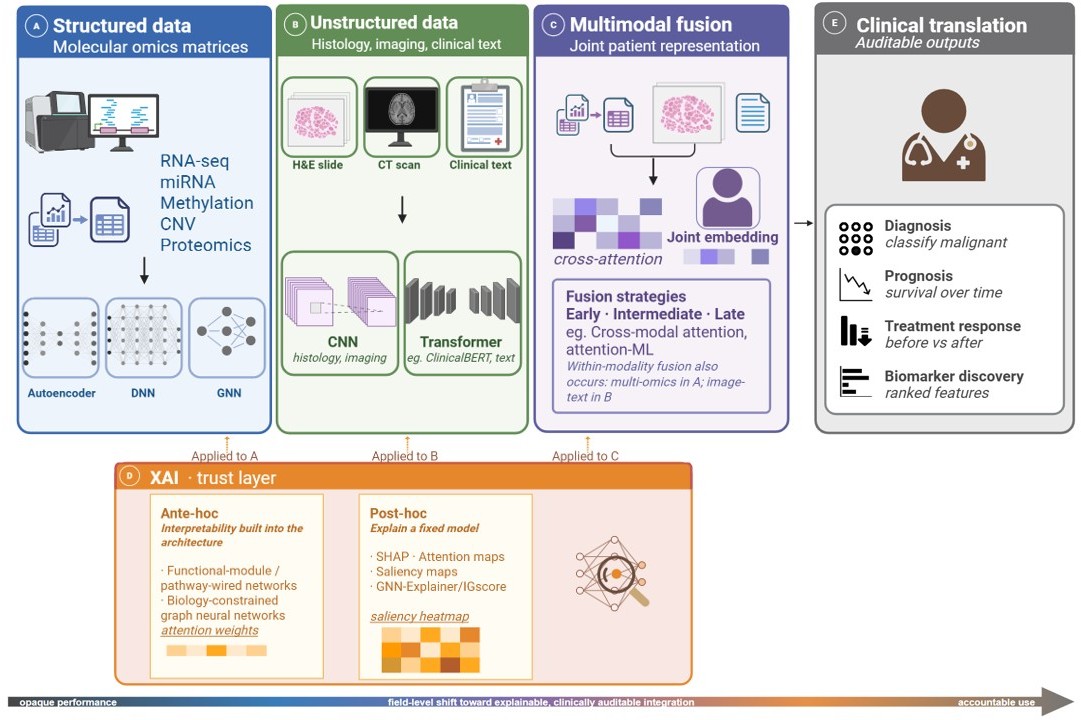
Figure 1. The review in one view. Structured, unstructured, and multimodal data feed an
explainability layer, which converts predictions into diagnosis, prognosis, treatment-response,
and biomarker-discovery outputs. Created with BioRender.
What the case studies show
I read thirteen studies across colorectal, liver, and pancreatic cancer. Structured molecular data
is the most developed setting, with external validation and interpretability built into the model.
Unstructured histology, radiology, and text are the expanding frontier. Multimodal fusion is where
they meet, and explainability is the layer that turns an accurate prediction into evidence a
clinician can question rather than simply accept.
The bottleneck
Across the studies, three things keep these models out of the clinic: validation on a single
cohort, uneven use of explanation methods, and the gap to real workflows. One review found that
only three of twenty-one pancreatic-cancer studies used any explanation method at all. The review
argues that progress now depends on making integrated models accountable, not larger. The full
review, the thirteen-study table, and the references are in the
repository.